Let us remember the importance of compassion so that our community understands its shared responsibility to support those experiencing homelessness. We will no longer turn our backs on homeless individuals in this country; there will always be a path back home for them.


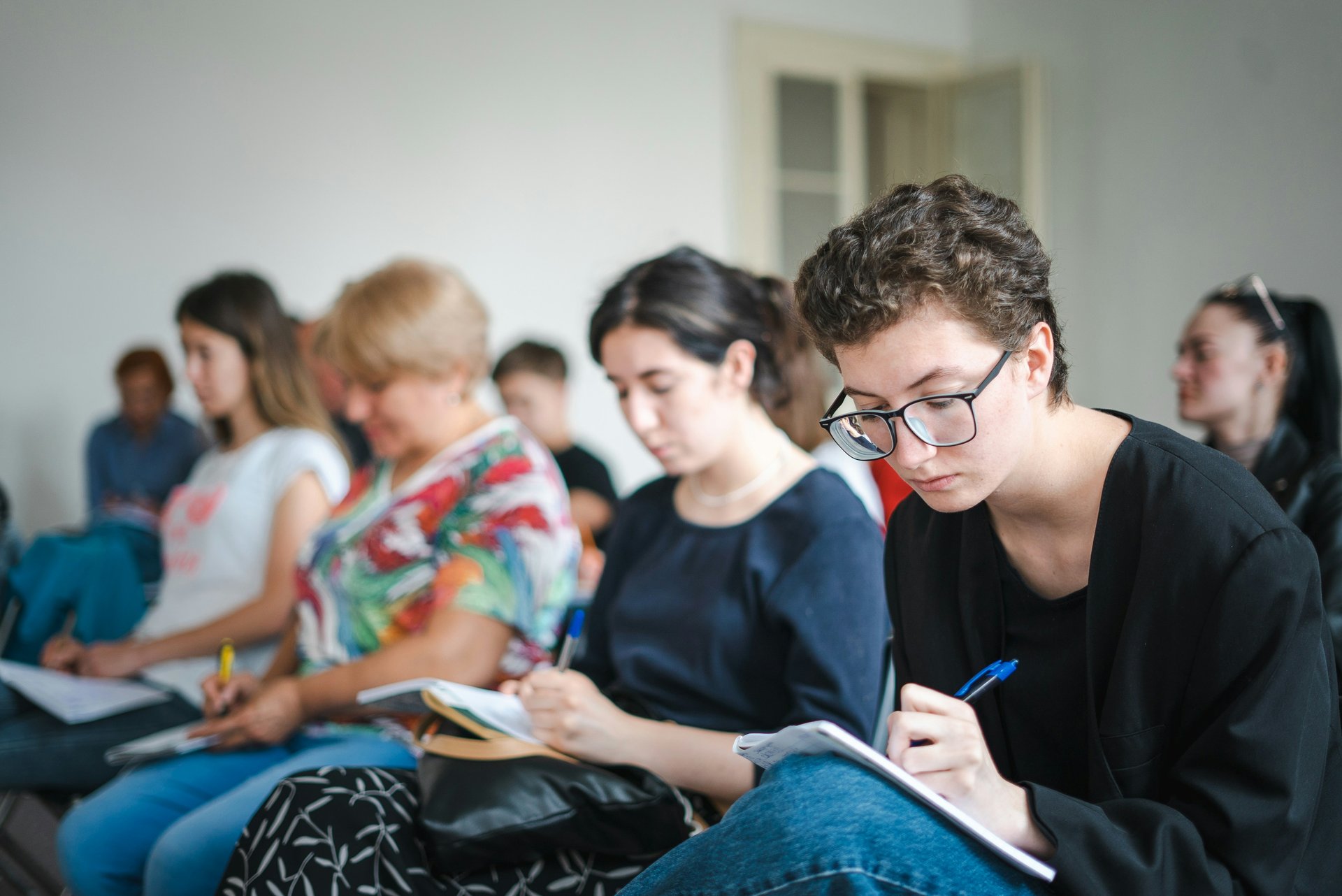


Vocational Training
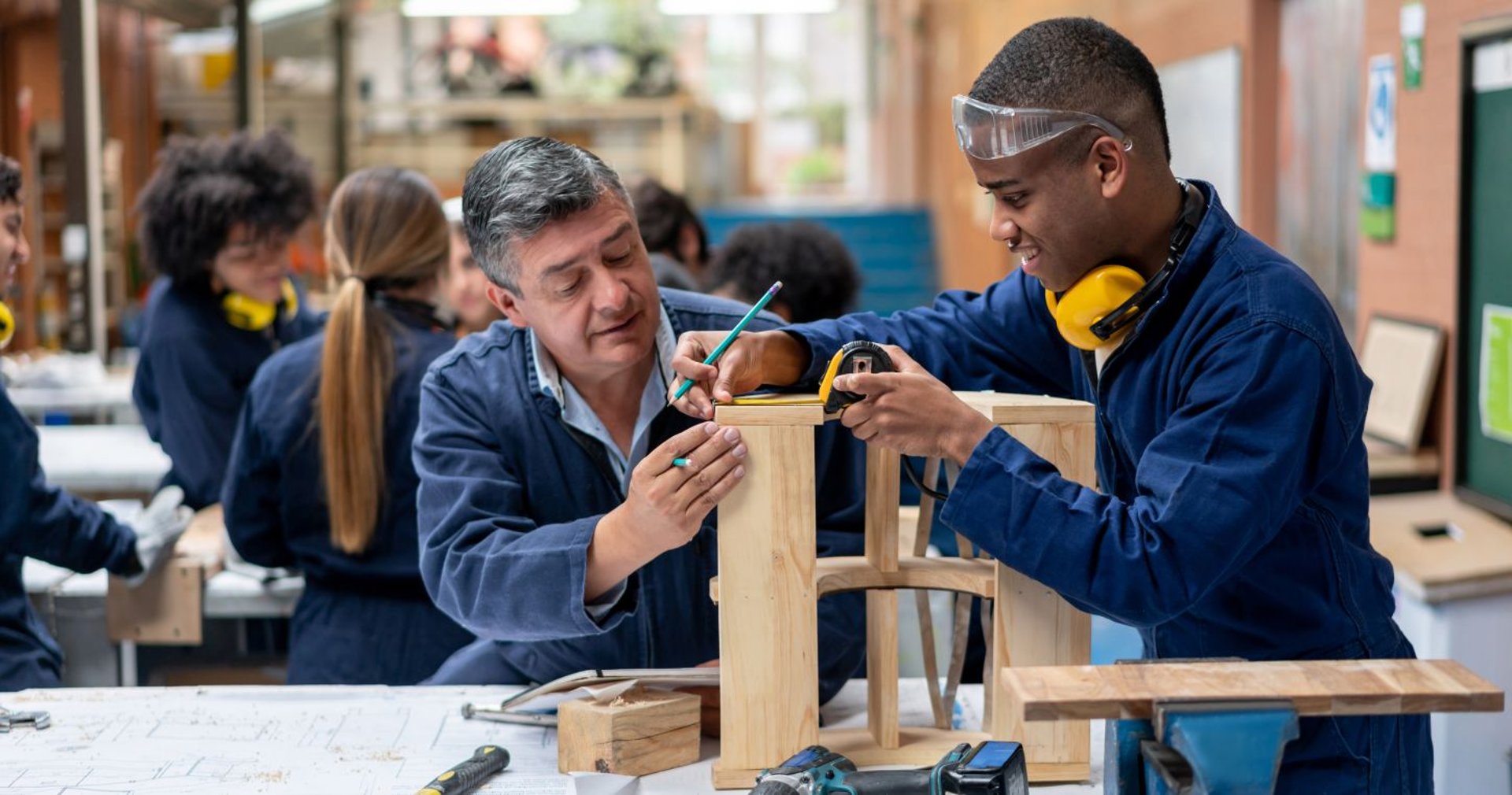
Tailored Programs: Develop programs that align with local job markets and community needs, such as healthcare or trades, to demonstrate their direct relevance and inspire confidence in employment outcomes.
Certification Pathways: Ensure that vocational training leads to recognized certifications or licenses, which are crucial for employment. This could include courses in electrical work, plumbing, HVAC, or IT certifications such as CompTIA A+.
Collaborate with local businesses and community partners to build sustainable partnerships that provide practical experience and foster a sense of shared success and community engagement.
GED toward College
GED Preparation: Offer intensive, structured GED preparation courses with one-on-one tutoring, leveraging technology for adaptive learning.
College Transition Programs: Beyond GED, create bridge programs that prepare students for college life, including study skills, college application assistance, and financial aid navigation.
Community College Partnerships: Establish partnerships with community colleges for direct admission, scholarships, or special programs for homeless or formerly homeless students, fostering a sense of community and shared purpose.
Life Skills Workshops
Comprehensive Curriculum: Include modules on financial literacy, health and wellness, digital literacy, communication skills, and essential home management.
Soft Skills Development: Workshops on resume writing, interview skills, networking, and workplace etiquette to prepare individuals for professional environments.
Civic Engagement: Teach about civic duties, voting rights, and community involvement to foster a sense of belonging and responsibility.
Additional Educational Initiatives
Mental Health and Emotional Intelligence
Workshops: Focus on emotional intelligence, stress management, and coping strategies. Mental health education can be integrated into life skills, helping individuals manage their well-being.
Entrepreneurship
Start-up Boot Camps: These programs teach the basics of business planning, marketing, and finance to encourage entrepreneurship. They could be particularly empowering for those who might not fit into traditional employment models.
Micro-Grant Programs: These programs offer small grants or microloans to start businesses and pair them with mentorship from local entrepreneurs or business leaders.
Digital Literacy and Cybersecurity
Basic Computing Skills: Essential for modern job applications and communication.
Cybersecurity Awareness: Given the increasing digital threats, basic knowledge about online safety, privacy, and data protection is essential.
Cultural and Artistic Education
Art Therapy: Programs that use art, music, or drama as therapeutic tools, also doubling as skills that can be monetized or used for community engagement.
Cultural Awareness: Workshops on cultural competence to help individuals navigate diverse workplaces and communities.
Sustainable Living Skills
Gardening and Urban Farming: Teach skills that can lead to self-sufficiency or small-scale income generation.
Eco-Friendly Living: Education on sustainability practices that can also be cost-saving, like energy conservation, recycling, and upcycling.
Legal Education
Rights and Advocacy: Inform individuals of their legal rights, particularly concerning housing, employment, and social services, empowering them to advocate for themselves.
Parenting and Family Support
Parenting Classes: These classes offer support for parents on child development, education, and family dynamics.
Physical Fitness and Sports
Sports Programs are good for health and building discipline, teamwork, and confidence, which can translate into better employment prospects.
Implementation Strategy
Modular Learning: Design programs in modules so individuals can start at their comfort level and progress at their own pace.
Regularly measure the program's success using outcomes such as employment rates and participant feedback, thereby building confidence and trust with stakeholders and funders.
Design programs with elements that promote community involvement, which reduces isolation and stigma, thereby enhancing program effectiveness and community acceptance.
By highlighting the need for stakeholder support and funding and by incorporating these diverse educational initiatives, we demonstrate a holistic approach to rehabilitation and empowerment, showing how these programs foster societal reintegration and long-term success.
Transforming Lives at the Core: Education
At the US Homeless Rehabilitation & Education Reform Foundation, Inc., education is vital for breaking the cycle of homelessness and inspiring confidence in our ability to create change. Our educational outreach programs help people rebuild their lives and strengthen trust in our shared mission to transform lives.
Our programs are tailored to meet the unique needs of homeless individuals, providing them with essential skills and knowledge. For example, we have helped over [number] participants improve their literacy and secure employment through vocational training, mentorship, and life skills workshops. From basic literacy and numeracy to vocational training, we ensure participants gain practical tools to navigate today’s job market. Mentorship connects individuals with experienced professionals who guide them toward their goals, fostering hope for a brighter future.
In addition to academic education, we focus on nurturing personal development. Workshops on financial literacy, resume writing, and interview preparation help individuals regain confidence and see their potential for a successful future.
Furthermore, our outreach programs cultivate a sense of community among participants. We offer a supportive environment where people can share experiences, learn from one another, and build lasting connections. We're a caring, empowering community working toward shared goals.
At the heart of our mission is the belief that with the right education and support, everyone has the potential to thrive. We are committed to advocating for systemic change, ensuring that access to quality education and resources is available to all, regardless of their circumstances. By investing in education, we are investing in a brighter future for our communities and helping to create pathways out of homelessness that lead to empowerment and independence.
Education Programs Offered
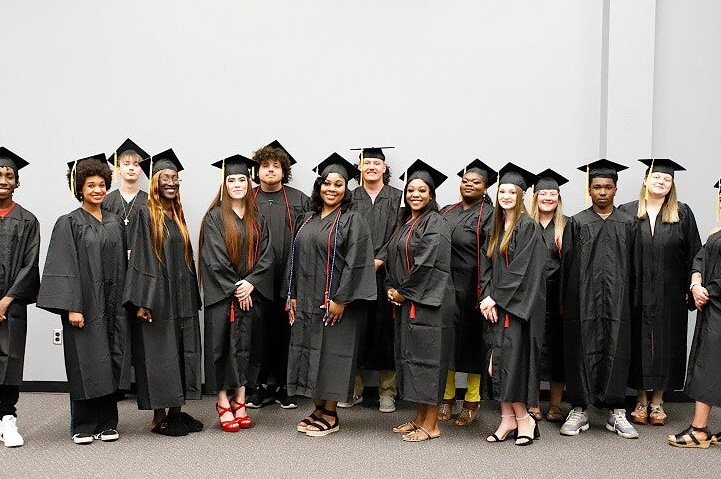
Like the Waterfall, Education is the lifeblood of our children; the same goes for Homeless People seeking a second chance. Help us to Transform Lives Through Education. Join us in making a difference in the lives of homeless individuals. Take the first step towards a brighter future.
US HOMELESS REHABILITATION & EDUCATION REFORM FOUNDATION, INC
Boynton Beach Florida
4781 N Congress Avenue, Suite 1280
Boynton Beach, Florida 33426
© 2024 US HOMELESS REHABILITATION & EDUCATION REFORM FOUNDATION, INC