Let us remember the importance of compassion so that our community understands its shared responsibility to support those experiencing homelessness. We will no longer turn our backs on homeless individuals in this country; there will always be a path back home for them.






SOCIETAL BENEFITS
1.Public Health and Safety:
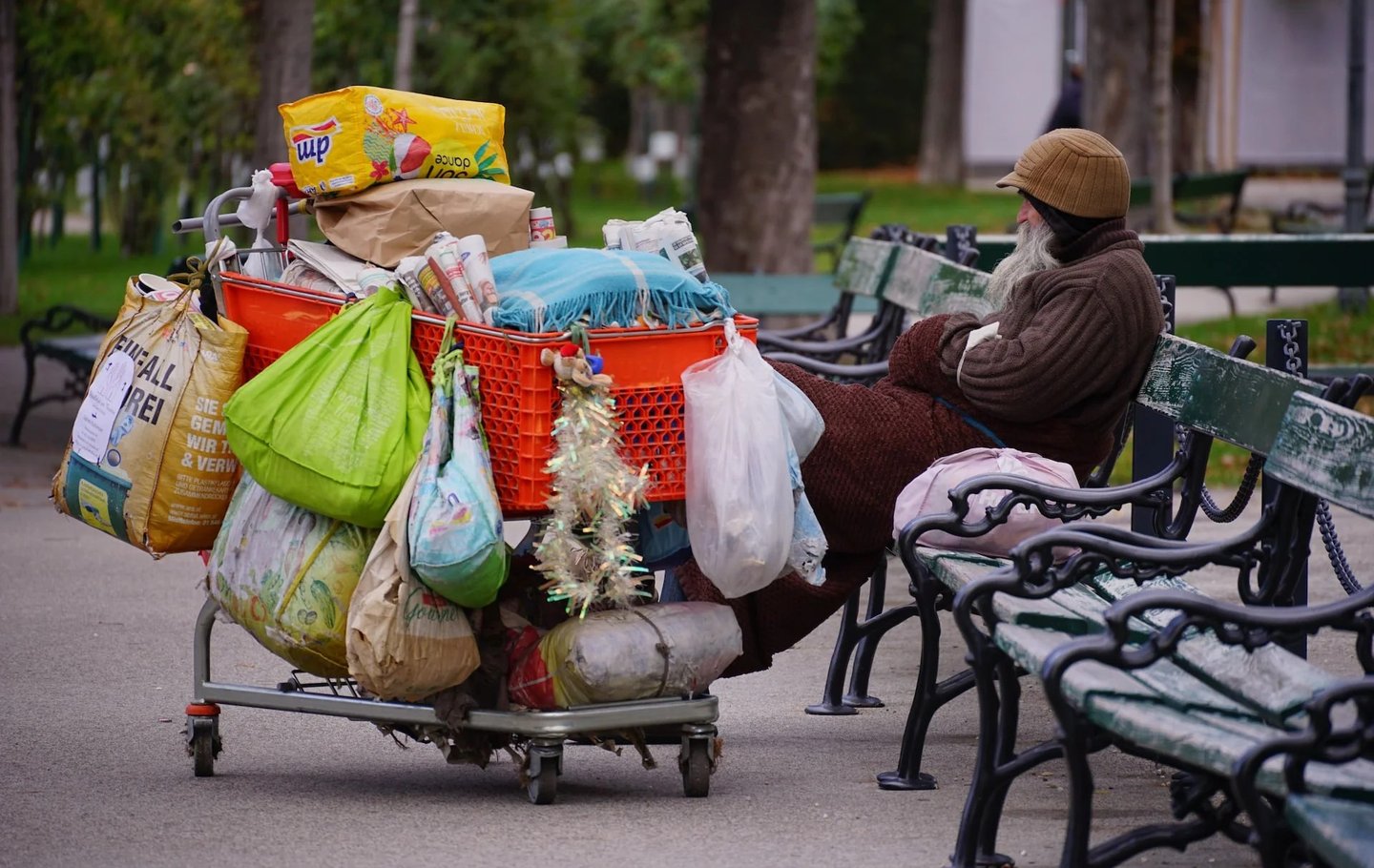
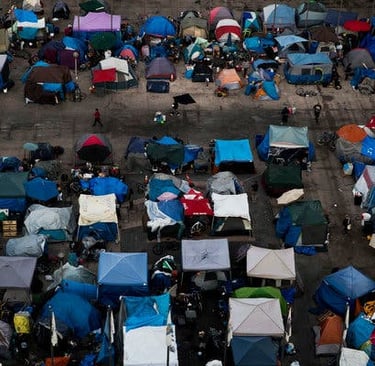
Improving sanitation in homeless encampments can significantly lower disease outbreaks, emphasizing the importance of health-focused policies.
Decrease in Crime: While not all homeless individuals engage in criminal activity, the environment of encampments can sometimes foster crime. Addressing homelessness through structured programs could reduce crime rates in these areas.
2.Community Aesthetics and Quality of Life:
An improved urban environment can boost community pride and encourage residents and officials to support ongoing urban renewal efforts, highlighting the societal benefits of ending homelessness.
Mental Health: A cleaner, safer environment can improve residents' mental health by reducing stress and anxiety associated with living near encampments.
3.Economic Benefits:
Cities that effectively manage homelessness may boost tourism and local business activity, providing a compelling economic incentive for policymakers to act.
Cost Efficiency: While initial costs for housing and rehabilitation might be high, the long-term savings from reduced emergency services, law enforcement, and health care could be substantial.
4.Social Integration and Rehabilitation:
Reintegration: Providing structured housing and rehabilitation programs can lead to better social integration, reduce the stigma associated with homelessness, and help individuals become productive members of society.
Education and Employment: With stable housing, individuals have a better chance at education or employment, which benefits them and contributes to the economy.
5.Legal and Policy Clarity:
The enforcement of laws, backed by the Supreme Court's decision, provides cities with clearer legal grounds for managing public spaces, reassuring policymakers that urban management will be fair, lawful, and effective, and fostering trust in the process.
Incentive for Policy Change: This ruling might push local governments to invest more in permanent solutions rather than temporary fixes, with the legal backing to enforce stricter measures.
6.Public Sentiment and Political Will:
Community Support: There's often public support for visible improvements in urban environments, which could lead to stronger Clear enforcement. Enhancing urban environments can foster community pride, encouraging residents to feel more connected and responsible for their neighborhoods. Laws can reassure policymakers that urban management is fair, lawful, and effective, fostering trust in the process. Political will and funding for comprehensive solutions to homelessness.
There is a rare bipartisan consensus on addressing homelessness effectively, which could lead to more robust, long-term policies rather than reactionary measures, strengthening the societal benefits of policy change.
However, these benefits come with caveats:
Human Rights Concerns: Critics argue that enforcement without sufficient housing alternatives could violate human rights, pushing the problem out of sight rather than solving it.
Need for Comprehensive Solutions: Simply clearing encampments without providing viable alternatives may result in temporary displacement rather than addressing the root causes of homelessness.
Potential for Increased Criminalization: There's a risk that, without proper support systems, homeless individuals might face increased criminal penalties, which could exacerbate rather than alleviate the issue.
PICTURE IN YOUR MIND WHAT WASHINGTON, D.C., WAS LIKE BEFORE PRESIDENT TRUMP SENT IN THE NATIONAL GUARD. THEN LOOK AT THE PRESENT CONDITION OF WASHINGTON, D.C. NOW. CLOSE YOUR EYES AND PICTURE WHAT THE UNITED STATES WILL LOOK LIKE WHEN I HAVE REMOVED ALL OF THE HOMELESS PEOPLE AND PUT THEM INTO PERMANENT HOUSING IN ALL 50 STATES AND D.C.


JOIN US IN A GREAT CELEBRATION
The Supreme Court's controversial decision underscores the complexity of homelessness. It highlights the need for balanced approaches that combine enforcement with substantial investment in housing, mental health services, and job training to address the societal benefits of reducing homelessness. The US HOMELESS REHABILITATION & EDUCATION REFORM FOUNDATION INC., while highlighting the many societal benefits of elevating and enhancing our cities, will now also take the lead to solve the homelessness issues in our society. Together with the people of the United States of America, we can make this a celebration on two fronts: every city in this country will be thrilled to end homelessness and enjoy the societal benefits that will follow.
By addressing the human rights concern, we can work toward a comprehensive solution to homelessness in the country. I'm confident the US Supreme Court would join us in celebrating this turn of events, as it solves one problem and strengthens community safety, economic stability, and public health, putting our country back on firm ground.

US HOMELESS REHABILITATION & EDUCATION REFORM FOUNDATION, INC
Boynton Beach Florida
4781 N Congress Avenue, Suite 1280
Boynton Beach, Florida 33426


© 2024 US HOMELESS REHABILITATION & EDUCATION REFORM FOUNDATION, INC